
Let’s be real. Soap operas? They’ve always been about connection. We, the viewers, connect with the characters, their messy lives, their big wins, and, of course, those oh-so-scandalous affairs! For years, though, it was a one-way street. We watched, maybe scribbled a fan letter or two (remember snail mail?), and that was pretty much it. Then, boom! The internet arrived, and social media exploded. Suddenly, the whole game changed. Big time.
I remember back in my days as a production assistant, the biggest interaction we’d get was a mountain of mail. Now? It’s a non-stop flood of tweets, Facebook comments, Instagram posts… a wild digital chorus of opinions, predictions, and, yeah, the occasional crazy threat (thankfully, those are rare!). But all that noise? It’s become a crucial part of how soap operas are written and even produced today.
From Your Couch to the Writer’s Room: The Social Media Effect
The single biggest impact of social media? The instant feedback loop. Writers don’t have to wait for those slow ratings reports or stuffy focus groups to figure out if a storyline is working. They see immediately what fans are loving, what they’re hating, and maybe even more importantly, what the heck they just don’t understand. This instant reaction has led to some major changes in how stories are told.
Think about it: a new character shows up, and nobody likes them (and Twitter is screaming about it!). What happens? Writers might quickly change direction, give the character a new twist, or sometimes, just write them out of the show completely! On the flip side, a minor character suddenly becomes a fan favorite? They get bumped up to a major role, with their storyline expanded to take advantage of that popularity. It’s like having a giant, never-ending focus group right at the writers’ fingertips.

Fan Theories Go Wild: When Viewers Help Write the Story
The influence of social media doesn’t stop with character popularity. It’s also created a whole culture of fan theories. Viewers dissect every scene, analyze every tiny bit of dialogue, and come up with crazy predictions about what’s going to happen next. And guess what? Sometimes, those theories actually make their way into the show!
I’ve heard rumors (and seen some pretty convincing evidence) that writers will sometimes steal incorporate popular fan theories into the show. It’s either a little wink to the audience, or a way to surprise them with a twist they never expected. It’s a tricky thing to pull off. You don’t want to get predictable, but you also want to reward your loyal viewers for paying such close attention and being so invested.
More Than Just Watching: Interactive Soap Experiences
Social media has also unlocked a ton of new ways to make watching more interactive. Soap operas now use platforms like Twitter and Instagram to connect with fans between episodes, giving them behind-the-scenes peeks, Q&A sessions with the cast, and even polls where viewers can vote on what should happen next! This creates a sense of community and makes the audience feel like they’re actually part of the storytelling.
Consider this: live tweeting during episodes, cast members answering fan questions in real-time, exclusive videos and photos released only on social media… it all adds up to a more fun, engaging experience. And let’s not forget the power of the hashtag! It creates a central place for everyone to talk, allowing fans to connect with each other and share their thoughts on everything that’s happening on screen.
The Dark Side of Social Media: Dealing with the Drama
It’s not all sunshine and rainbows, though. The constant flood of opinions can be a lot to handle, and the anonymity of the internet can make some people feel like they can say things they wouldn’t otherwise. Writers and actors have had to learn how to deal with this sometimes-toxic environment, growing thick skins and figuring out how to block out the negativity.
It’s a constant balancing act: wanting to connect with fans, but also needing to protect yourself from online harassment and abuse. But even with those challenges, the overall impact of social media on soap opera storylines has been really positive. It’s made the storytelling more dynamic, interactive, and collaborative, which is a win for everyone involved.
Soaps in the Digital Age: What’s Next?
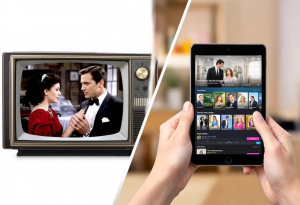
As streaming services become more popular and digital platforms take over, social media is only going to become more important in how soap operas are made. Expect to see even more creative ways for fans to connect with their favorite shows, blurring the lines between what’s real and what’s fiction, and creating experiences that completely pull you in.
Hey, who knows? Maybe one day we’ll even see soap operas written by AI, based on what people are saying on social media in real-time! Okay, maybe that’s going a little too far (for now). But one thing is certain: social media has changed soap operas forever, and the future of daytime drama is definitely online.
Your Burning Questions About Soaps and Social Media Answered
- How has social media changed how soap operas are written?
Social media provides instant feedback from the audience, so writers can tweak storylines based on what people are saying right now.
- Do fan theories actually influence what happens on the show?
Yep! Writers sometimes use popular fan theories as a little wink to the audience, or to throw in a twist that nobody saw coming.
- What are some examples of how soap operas use social media?
Think live tweeting during episodes, Q&A sessions with the cast, and even polls where viewers get to vote on what happens next.
- What are the downsides of social media for soap operas?
Dealing with negativity, managing all the different opinions, and protecting writers and actors from online harassment.
- How will social media keep changing soap operas in the future?
Expect even more innovative ways for fans to get involved with their favorite shows, blurring the lines between reality and fiction.

Hey there, fellow General Hospital addicts! Ever dream of snapping a selfie with Laura Wright? Maybe sharing a laugh with Read more
Soap operas! Those words conjure up images of dramatic showdowns, shocking secrets, and characters that feel like family. But let's Read more